Healthy Holidays Start with Caring Support

The holidays often center around family, food and celebration. But for those living with pre-diabetes or diabetes, they also bring extra challenges. Amid festive meals, busy schedules and added stress, it’s easy to lose sight of our health goals.
Left untreated, prediabetes can progress to type 2 diabetes and increase the risk of complications affecting the eyes, kidneys, nerves and heart. In addition to family history, diabetes risk is often linked to lifestyle factors such as poor diet and insufficient physical activity.
The good news is that diabetes can often be prevented or managed with early action and caring support. At SFCHC, we believe you don’t have to choose between enjoying the season and prioritizing your health.
Tools That Empower You
Whether you’re working to prevent diabetes, manage your health or simply celebrate the holidays more mindfully, SFCHC offers education and practical tools to meet your unique needs.
Since 2018, our one-year Diabetes Education and Prevention Program has been accredited by the Centers for Disease Control (CDC) Lifestyle Coach Diabetes Prevention Program for meeting the highest national standards of quality education and patient care. With a focus on peer support, we coach adults on how to control their blood sugar through a healthy diet and increased exercise – and without medications.
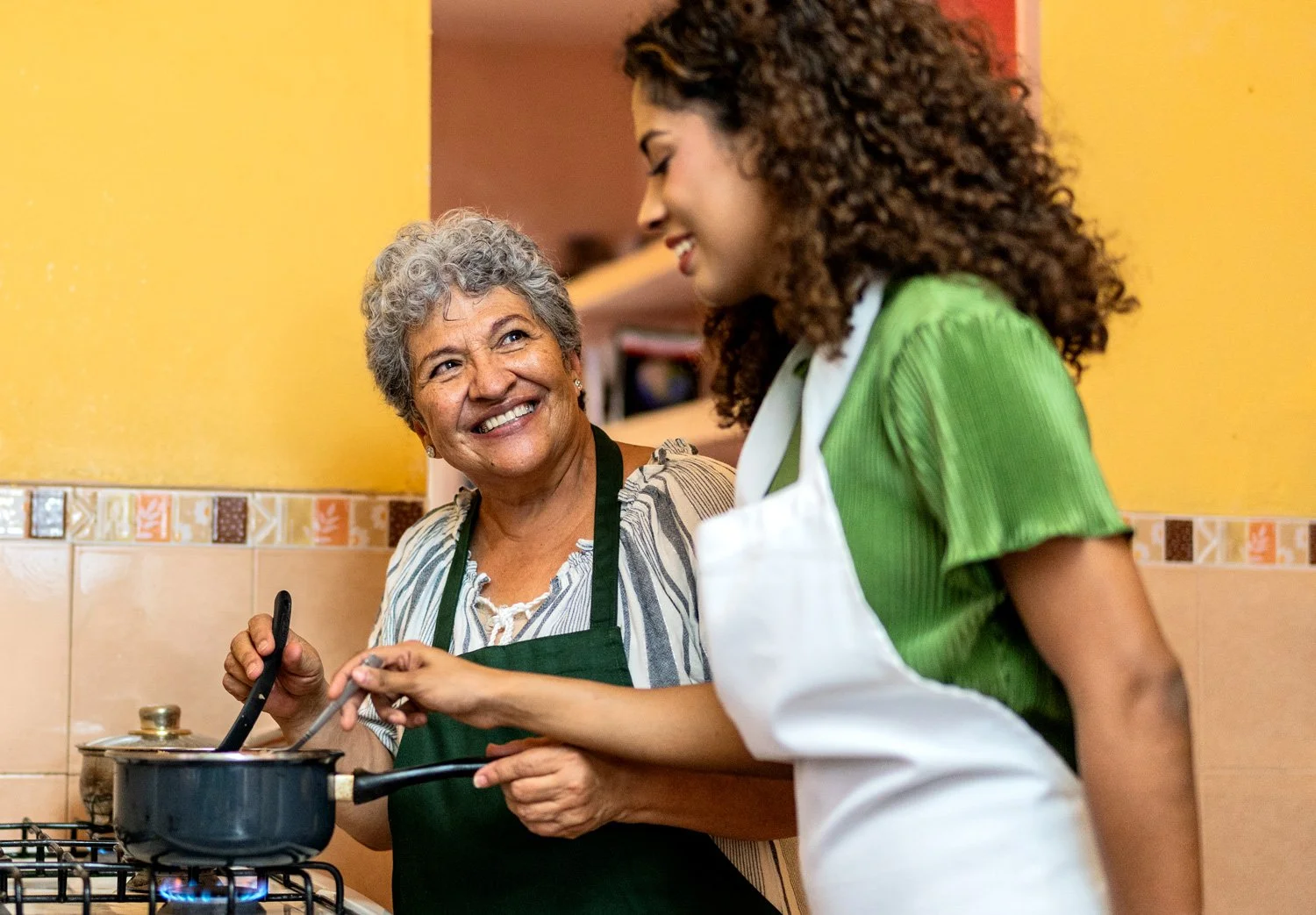
“Each year, patients and community members come to us because they want to change their lives,” said SFCHC Health Education Manager Rita Jauregui. “They know they’re receiving information, counseling and support from people who truly care about helping them reach their goals. Our staff don’t just sit behind our desks – we go out into the community and meet people where they are. Education and prevention are key, but trust comes first. When people learn, cook and even walk together, they motivate one another to succeed.”
For those already living with diabetes, SFCHC’s eight-week Project Alto-D Diabetes Self-Management Education Program provides group learning and one-on-one support through approved curriculums. Participants learn how to take medications safely, monitor their glucose (A1C) levels, recognize the symptoms of hypoglycemia and hypertension, exercise effectively and manage stress.
Marlo Paredes, SFCHC’s registered dietitian, brings a wholistic approach that connects physical health, emotional well-being and cultural understanding. She helps patients set small attainable goals, track their progress and find ways to continue enjoying the foods they love.
“We honor our patients where they are and reassure them it’s okay to eat the foods they enjoy – with some strategy,” she said. “As a medical nutrition therapist, I tell them the longest relationship they’ll ever have is with food. We’re here to bring healing.”
Paredes also sees exercise as a prescription for better health. She encourages patients to start small, such as walking for an hour three times a week or stretching daily. She also provides options such as chair yoga or light weightlifting for those with mobility challenges. “Our programs are very successful, and patients get excited to see their progress,” she said. “We give them tools to become experts on their own nutrition and health.”
Support That Keeps You Connected
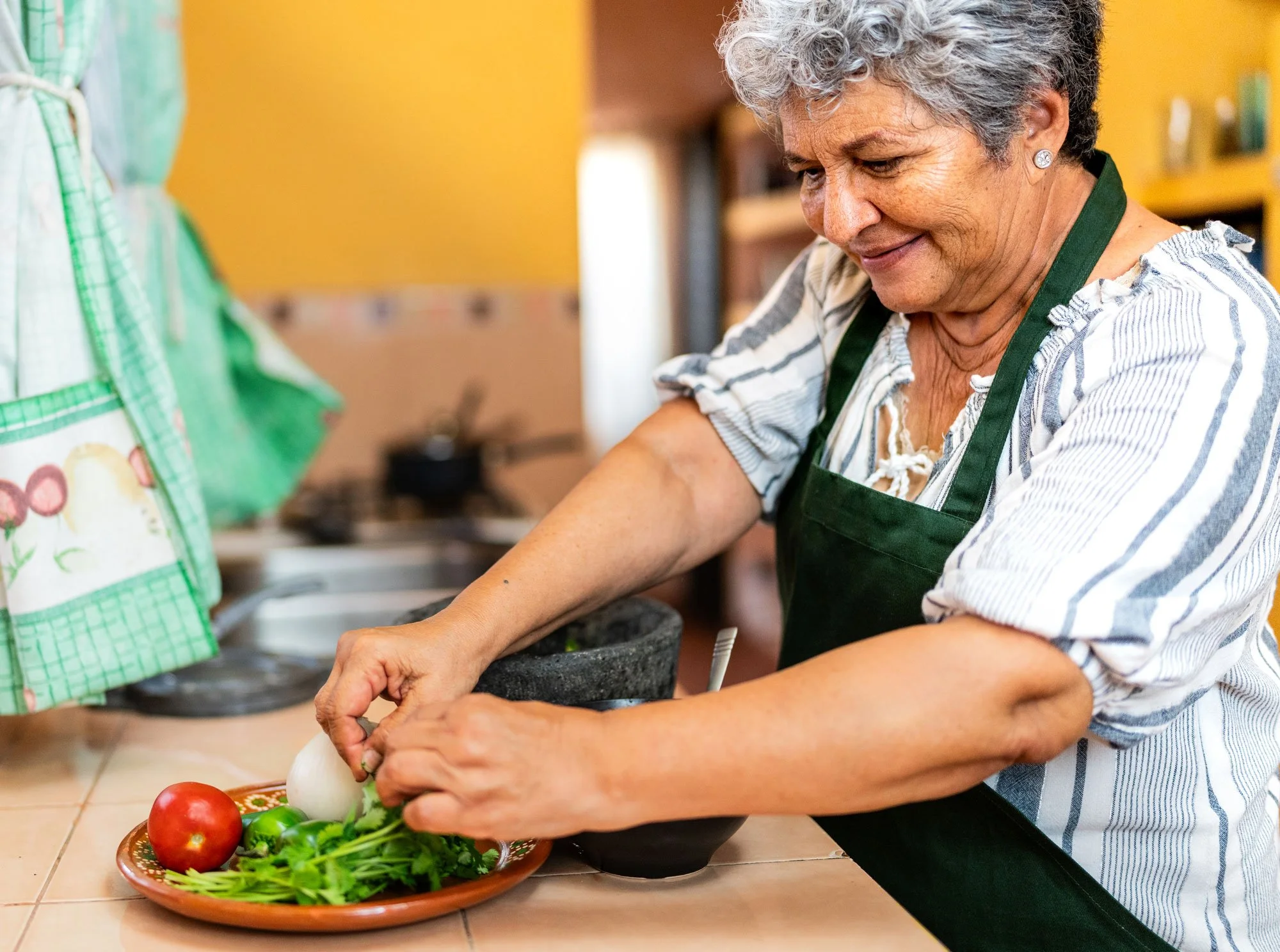
SFCHC offers more ways to stay motivated and healthy all year long. Our 12- to 16-week FEAST (Food, Education, Action, Support, Together) Program – spearheaded by SFCHC Community Health Worker Alba Meza – combines hands-on cooking classes in our on-site Diabetes Teaching Kitchen with group discussions about the relationship between food, emotions and overall wellness.
Through our Care Circle Remote Monitoring Program, patients can track their glucose and blood pressure from home, and share results directly with their care team. For daily inspiration, our bilingual Healthy Cooking Video Library offers simple, budget-friendly recipes that make healthy eating enjoyable for the whole family.
Five Healthy Habits for the Holidays
The holidays can make healthy choices feel more difficult, so it’s important to start with small, steady steps.
Stay Connected
Spend time with people who support your goals and encourage you to stay positive. Meaningful connection—whether through friends, family or community—can help reduce stress and make healthy habits easier to maintain.Make Balanced Choices
Enjoy your favorite foods with moderation. Pair rich dishes with lighter sides, add colorful vegetables and whole grains, and season meals with herbs instead of salt. Stay hydrated with water and skip sugary drinks.Move With Purpose and Joy
Physical activity helps regulate blood sugar and boost mood. Stretch throughout the day, take a walk after dinner or join a loved one for outdoor time. Every bit of movement matters.Know Your Numbers
Tracking your A1C, blood pressure and cholesterol—your “ABCs”—helps prevent diabetes complications. Check your numbers regularly and share updates with your care team so you can take action early.Rest and Recharge
The holidays can disrupt sleep and increase stress. Make time to rest, focus on progress over perfection, and remember that peace of mind supports a healthier body.